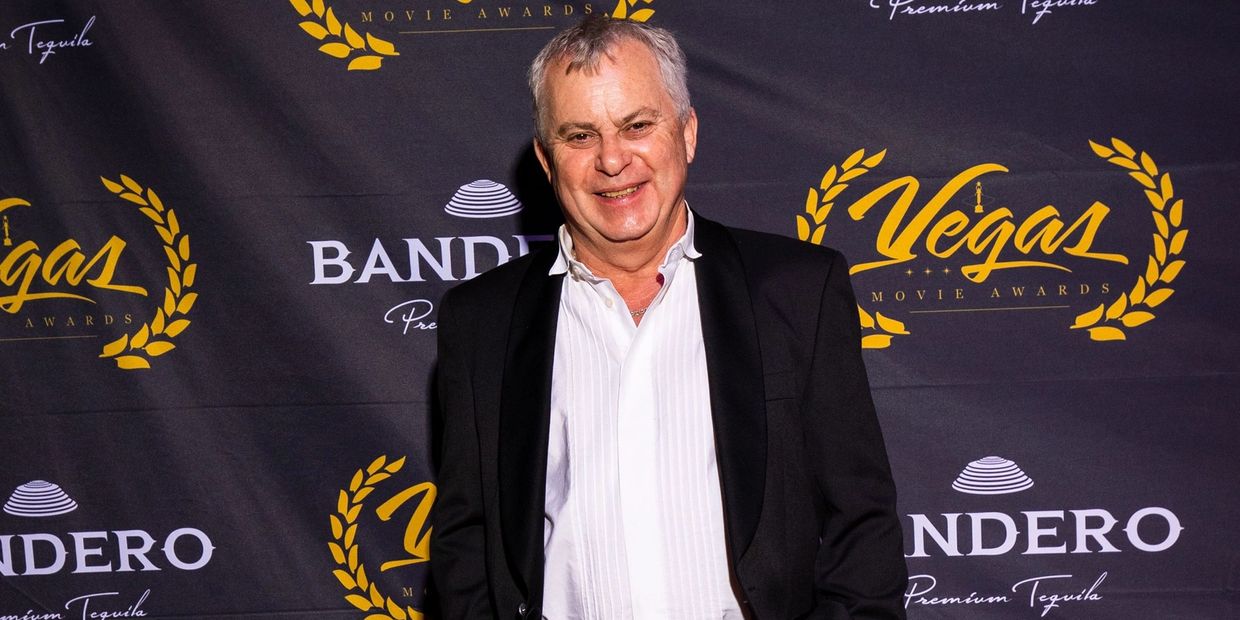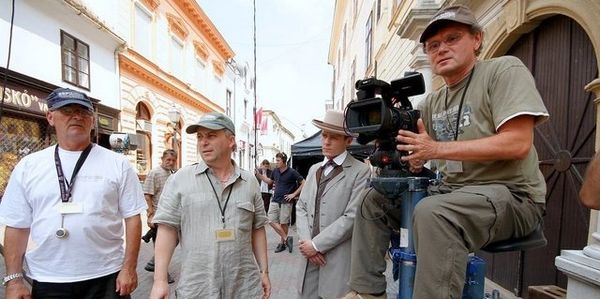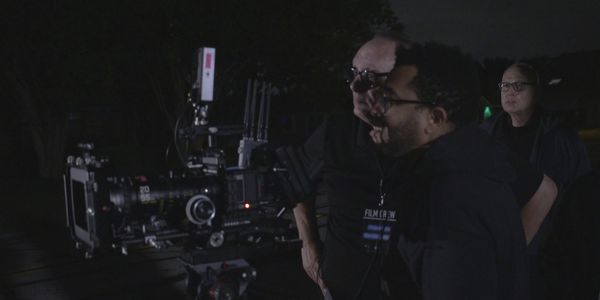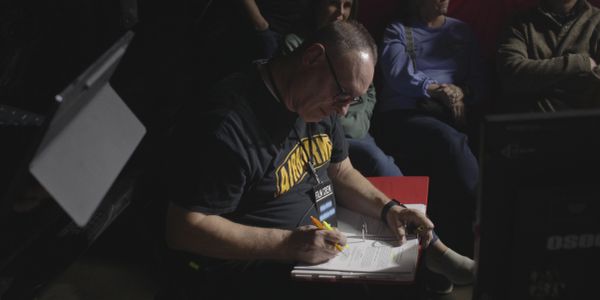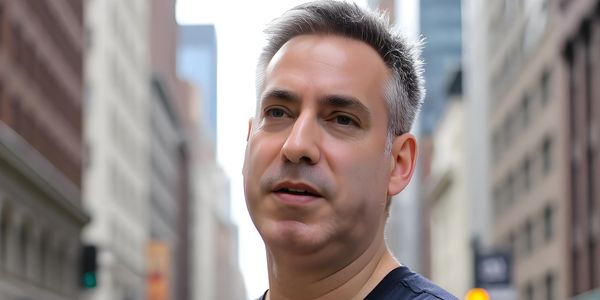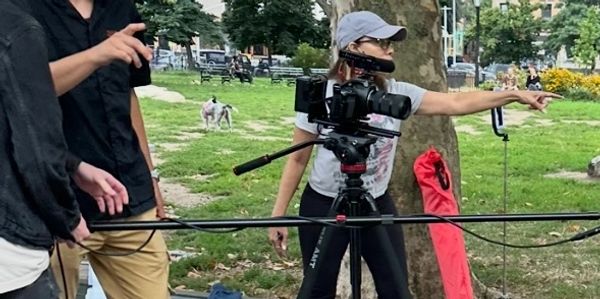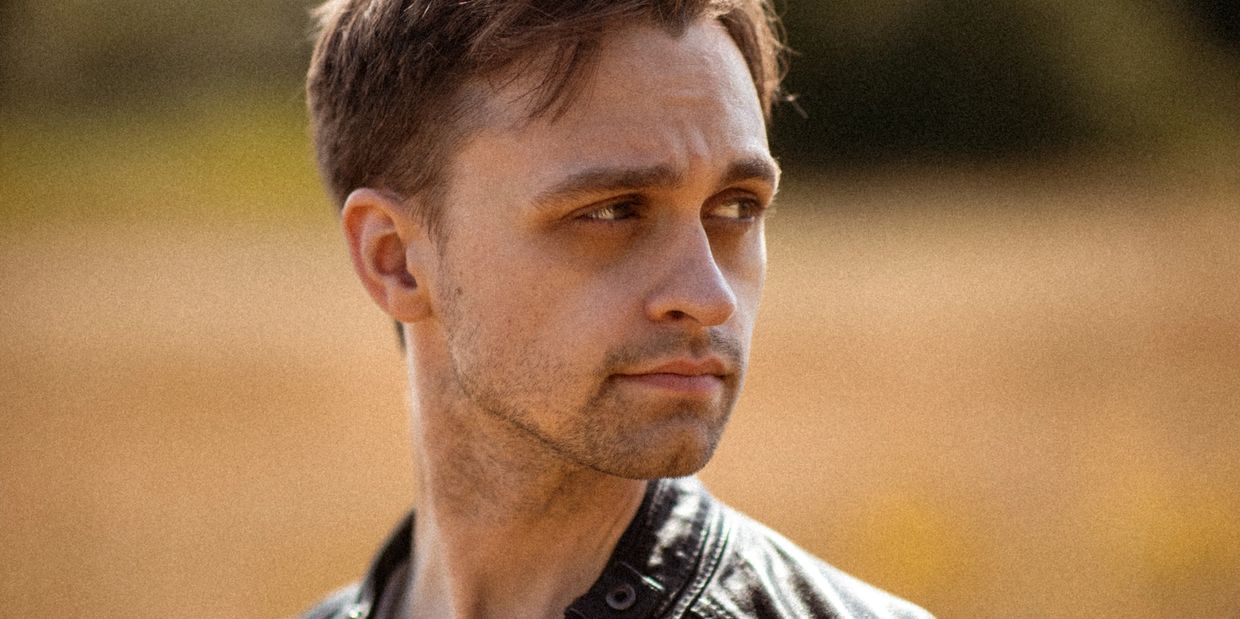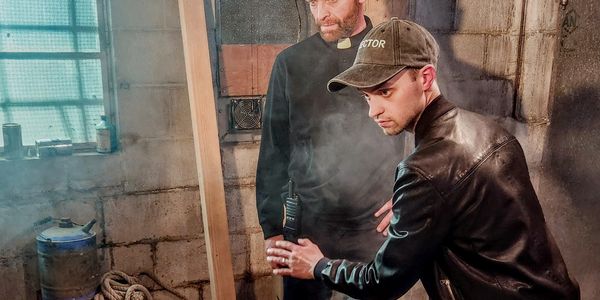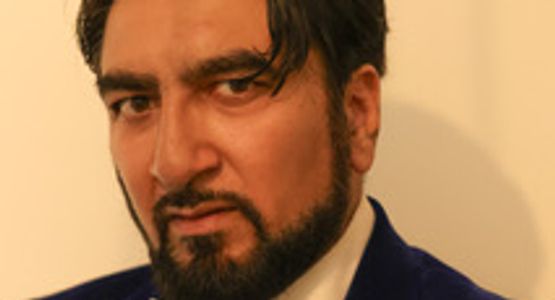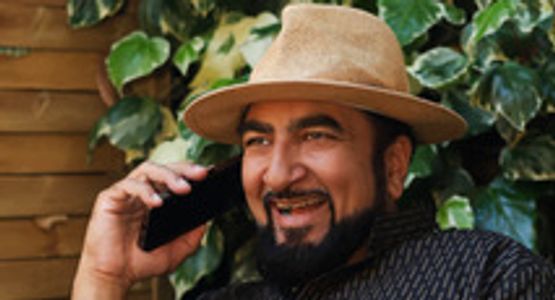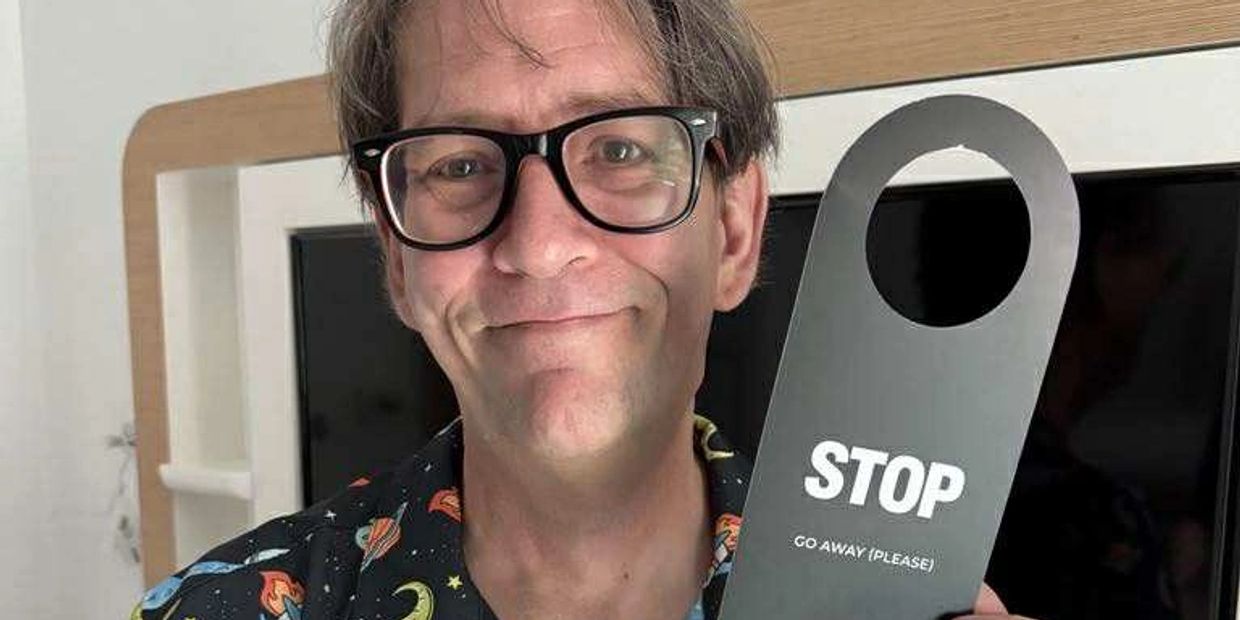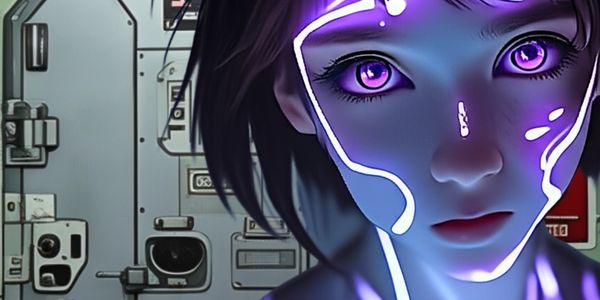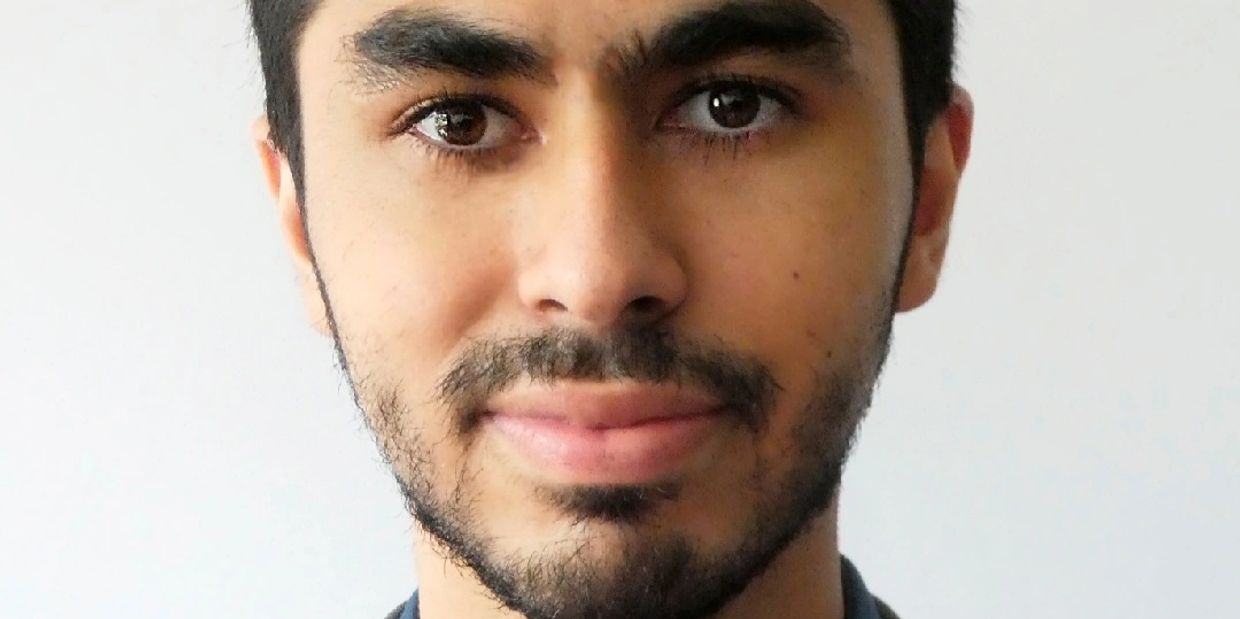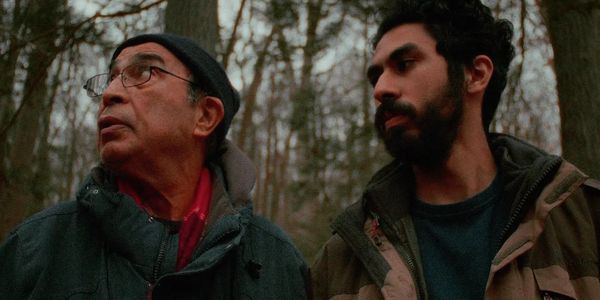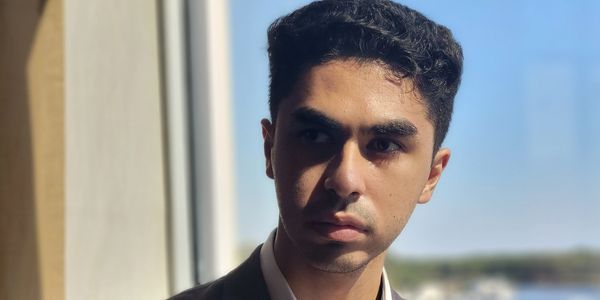
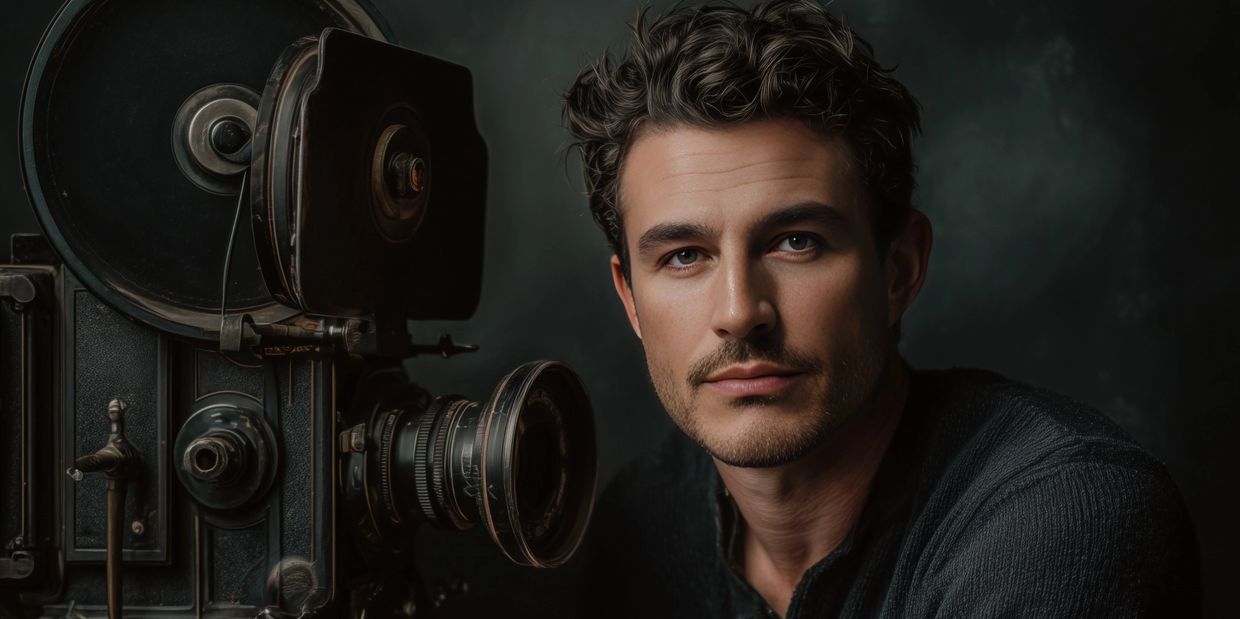
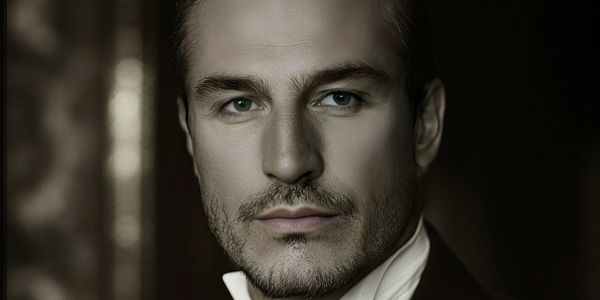
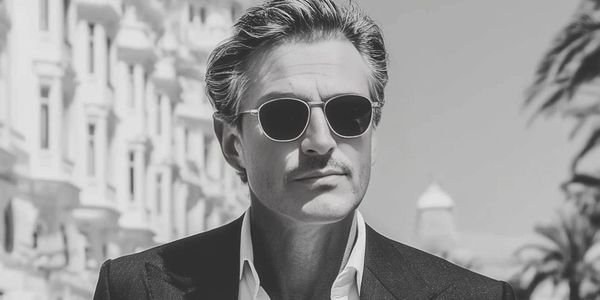
Enrico is a London-based film director and composer working primarily in science fiction and music-driven cinema. His work is defined by a precise fusion of image, sound, and design, where narrative, rhythm, and atmosphere are conceived as a single system. Moving seamlessly between futuristic worlds and intimate human moments, he builds films that feel engineered in form yet deeply emotional in impact. With a background spanning cinema, music composition, and advanced production techniques, Enrico approaches filmmaking as a total language — sculpting light, space, movement, and sound to create immersive audiovisual experiences. His films and music videos are marked by strong visual identities, controlled palettes, and soundtracks that drive both structure and emotion.
When did you realised you wanted to be a Filmmaker\Actor\Writer?
I realized I wanted to be a filmmaker and writer gradually, not in a single “light-bulb” moment. It started with storytelling as a way of understanding the world around me — observing people, emotions, silence, and contradictions. Writing came first, as a private space where ideas could exist without limits. Film followed naturally, because it allowed those inner worlds to become tangible: images, sound, rhythm, and atmosphere working together. Over time, I understood that filmmaking wasn’t just about telling stories, but about creating experiences — spaces where audiences can feel, question, and recognize parts of themselves. That realization never stopped evolving; it still grows with every project I take on.
Do you remember your first time at the Movies?
I remember it in a very childlike way — the smell of popcorn, holding the box with both hands, my feet barely touching the floor. The screen felt huge and magical, almost overwhelming. I didn’t fully understand the story, but I remember the excitement, the wonder, and that feeling of being somewhere else for the first time. It was pure emotion, and it stayed with me
If you should change country where would you like to work?
Honestly, today I feel like geography matters a lot less than it used to. With the way we work now, it’s easier to cross borders creatively without always doing it physically. That said, after spending three months in New York City last year, it left a real mark on me. The energy, the diversity, the craziness ...— it feels like a place where stories collide and ideas move fast. If I had to choose one country to base myself in, (USA) New York would most likely be my first option, while still staying open to working globally.
wo films that have marked your life for better or for worse…
Two films that marked my life in very different ways are Blade Runner and Cinema Paradiso. Blade Runner shaped how I see atmosphere and world-building — the idea that a film can feel like a living organism, where mood and questions linger longer than answers. Cinema Paradiso affected me on a more emotional level; it’s about memory, loss, and the pure love of cinema itself. One pushed me toward imagination and future worlds, the other anchored me to nostalgia and human connection. Together, they reflect the two forces that still drive my work.
What do you think about Acting/ filmmaking schools?
If you find a school that’s hands-on, production-heavy, and plugged into real sets, it’s a powerful accelerator. But if you’re already making work, building a team, and learning through doing, then school becomes optional — and sometimes the better route is workshops + set experience + making short films nonstop. Basically: school is a tool, not a gate. The real “school” is the next project.
Have you ever hated your ambition?
Yes... sometimes. Ambition can be heavy. It pushes you forward, but it also keeps you restless, never fully satisfied, always questioning if you’re doing enough or going far enough. There are moments when I wished things could feel simpler, quieter. But I’ve learned that the same ambition I’ve struggled with is also what gives my work direction and meaning. I don’t see it as something to escape anymore, more like something to understand and learn how to live with.
Francois Truffaut used to think that "Film Lovers are sick people”… was he right?
In a way… yeah !! but I think Truffaut meant it with affection, not cruelty.
Film lovers can be “sick” in the sense that we’re obsessed: we watch too much, feel too much, analyse everything, and sometimes we prefer the intensity of cinema to the calm of real life. We carry scenes like memories, and we measure life with images and soundtracks in our heads. That’s not exactly “normal.”
But if that’s a sickness, it’s also a beautiful one. Because that obsession is really just sensitivity, a need to understand people, emotion, time, love, loss. Cinema becomes a language for feelings that are hard to explain otherwise.
So was he right? Maybe. But it’s the kind of “sick” that creates art — and I’d rather have that than be completely healthy and emotionally asleep.
Close your eyes…if I say “Cinema” what do you see?
I see a warm light in the dark, memories drifting on the screen, emotions moving quietly. Cinema feels intimate and timeless and somehow it always brings me back to my mother, to a sense of safety, love, and shared moments that still live inside me.
Who’s the Director\Actor\Writer that taught you the most?
I’d say Andrei Tarkovsky taught me the most. His work showed me that cinema doesn’t need to rush or explain itself.. it can breathe, linger, and exist almost like a memory or a dream. From him, I learned the value of silence, time, and spiritual depth, and that trusting the audience’s intuition can be far more powerful than spelling everything out.
About your job, tell us your biggest dream and your worst nightmare…
My biggest dream is to create films that leave a lasting imprint, where image and sound are inseparable. Because I compose most of the soundtracks myself, I’m always searching for a bonded emotion between visuals and music, something that feels unified and deeply personal, and stays with the audience long after the film ends.
My worst nightmare would be losing that connection, making work where sound and image no longer speak to each other, or where emotion is replaced by formula. That would mean losing the core reason I create.
How important is to have a good Cinematographic Culture?
It’s essential!! but not in an academic way. A strong cinematographic culture isn’t about knowing titles or dates, it’s about training your sensitivity. Watching films from different eras and voices teaches you rhythm, silence, framing, and emotional timing. It helps you understand what has already been said, so you can decide what you want to say differently. For me, cinematic culture is a living dialogue with the past, something that feeds intuition, not something that limits it.
What would you like to improve as a Filmmaker\Actor\Writer?
I’d like to keep improving my ability to simplify, to say more with less. As a filmmaker and writer, that means trusting intuition, refining rhythm, and allowing space for silence without losing emotional clarity. I also want to grow in collaboration, learning how to translate what’s inside my head into a shared language with actors and crew, while staying honest to the original emotion that started the story.
A big producer gives you the chance to direct\to play (in) the remake of
one of your favourite black and white Movie (if you have one)… what film
do you choose?
I would choose La Dolce Vita. Not to modernize it, but to reinterpret its emotional core, the sense of beauty, emptiness, and longing beneath the glamour. It’s a film that understands silence, faces, and moments in between, and I’d want to honour that spirit while translating it into a contemporary emotional language, especially through image and sound working as one.
Film Industry it’s a tough place and sometimes is normal to feel lost
and discouraged… who’s the person that keeps you motivated?
My Wife. She’s the quiet anchor behind everything I do. Even when I feel lost or discouraged, thinking about her belief in me brings me back to centre. She reminds me why I started, not for recognition, but for love, honesty, and the need to create something meaningful.
Alfred Hitchcock said: "To make a good film you need 3 things: The
script, the script and the script". Do you agree with him?
I agree with him, a strong script is the foundation of everything. But for me, a great script multiplied by three still needs the right soundtrack to truly exist on screen. Sound and music give the script a pulse; they shape emotion, rhythm, and memory in ways words alone can’t. Without that emotional layer, even the best-written story risks staying on the page instead of becoming a living experience.
What’s your most ambitious project for the future?
My most ambitious project is to develop a film where storytelling, image, and sound are conceived as a single language from the very beginning. I want to create a deeply immersive cinematic experience, one that moves between reality and inner worlds, where music isn’t added afterward but born with the story itself. It’s about building a film that feels less like something you watch, and more like something you remember.
Do you think that sadness or at least melancholy let be more creative?
I agree. Sadness, or melancholy, creates space. It slows you down, makes you listen more carefully, feel more deeply. In that state, emotions are closer to the surface, and creativity becomes more honest. It’s not about suffering for its own sake, but about sensitivity... melancholy sharpens perception, and that’s often where the most truthful ideas are born.
What do you wish to yourself as a Filmmaker\Actor \Writer?
I wish myself the courage to stay honest, to keep listening to my intuition even when it’s uncomfortable. To never lose sensitivity, curiosity, or the ability to be moved. And to keep creating work that comes from a real place, where image, sound, and emotion remain deeply connected.