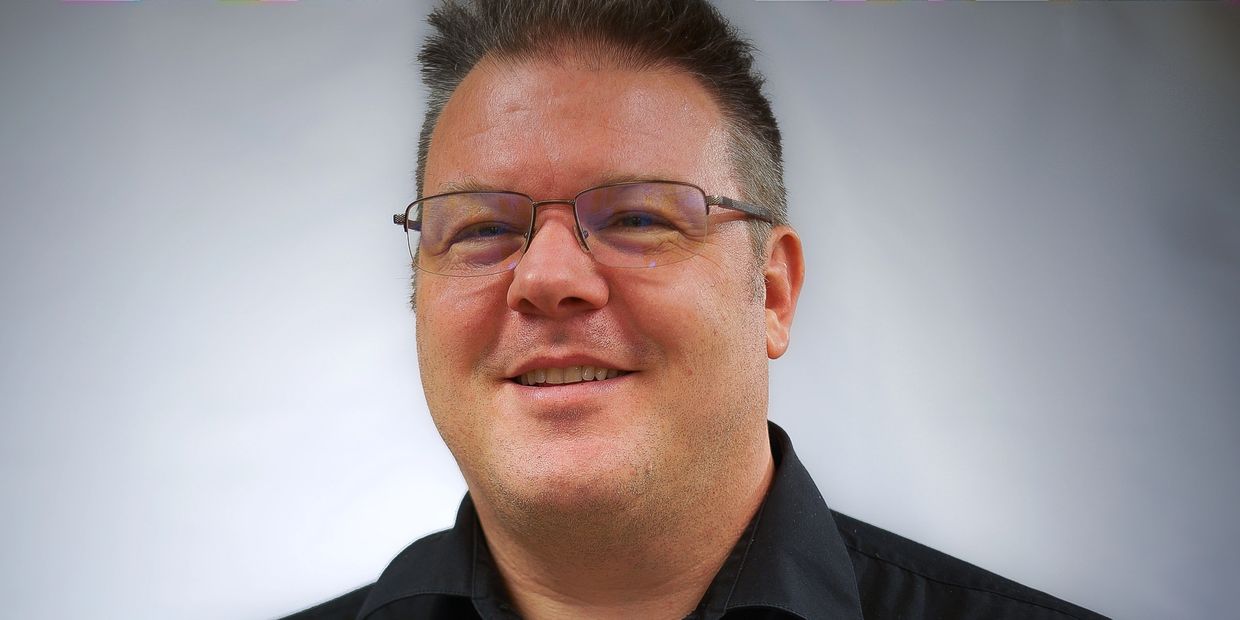
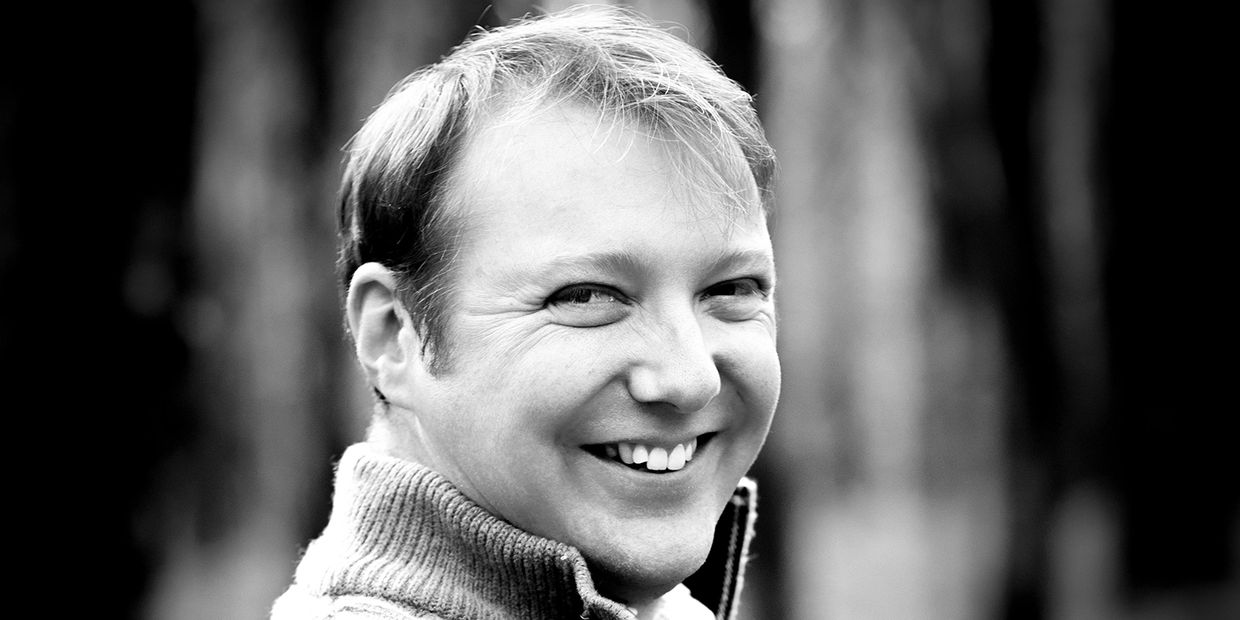
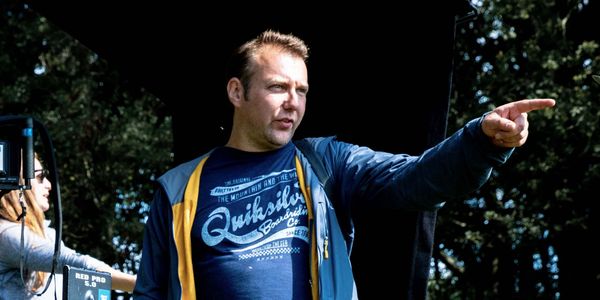
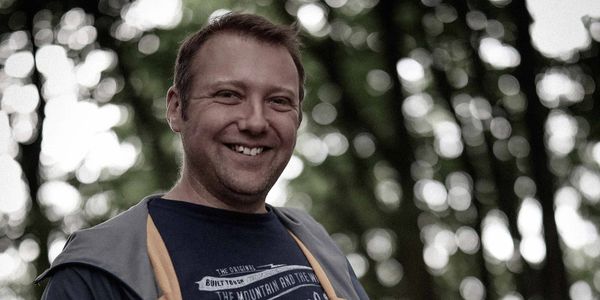
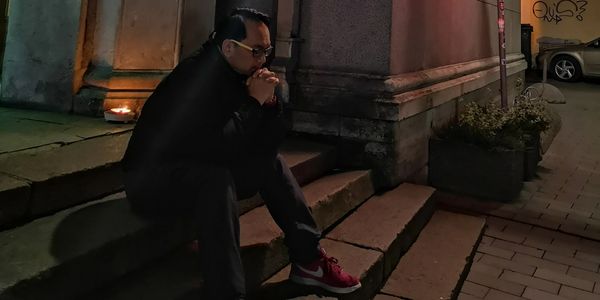
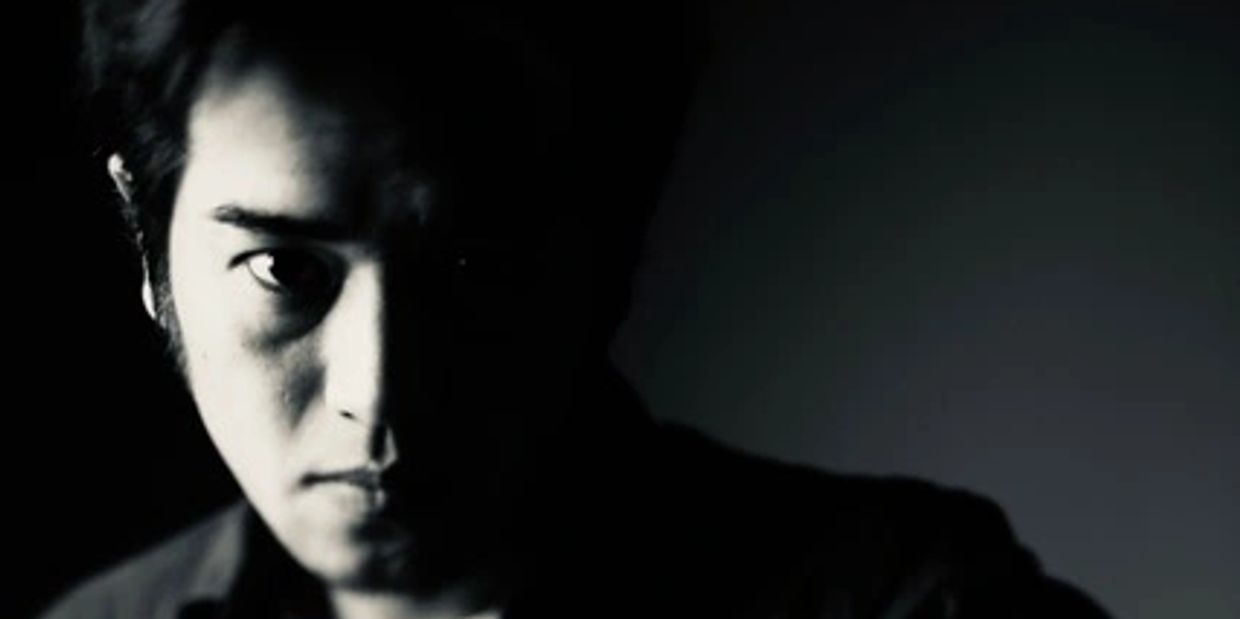
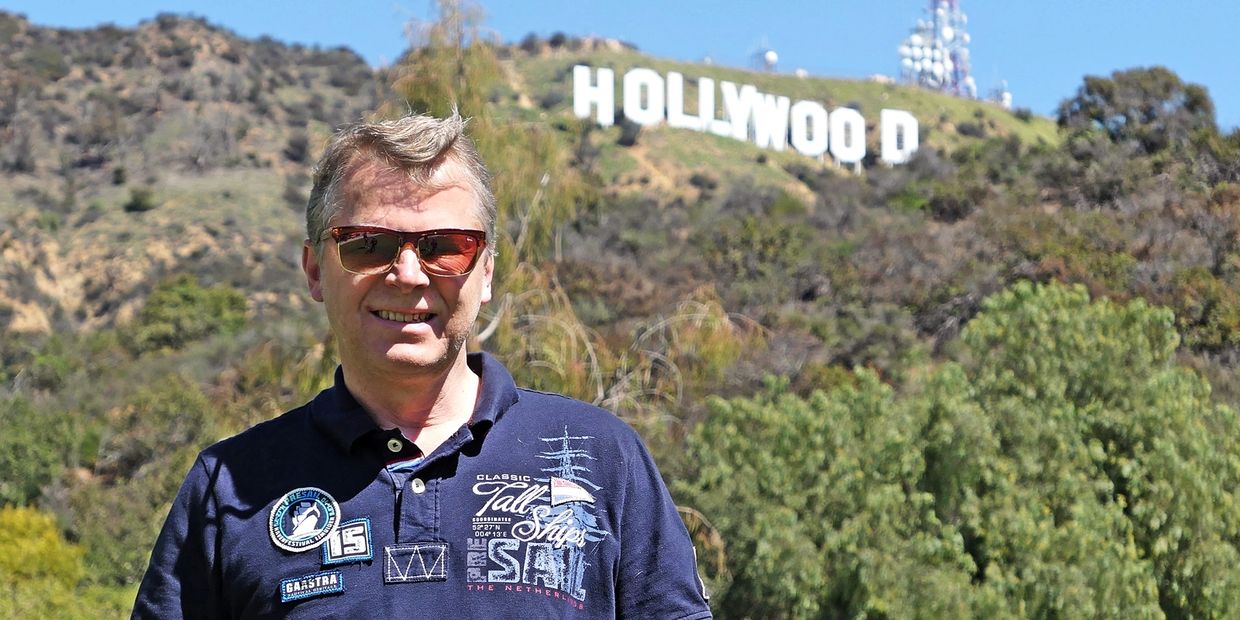
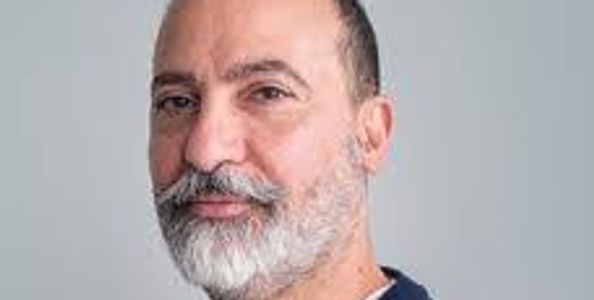
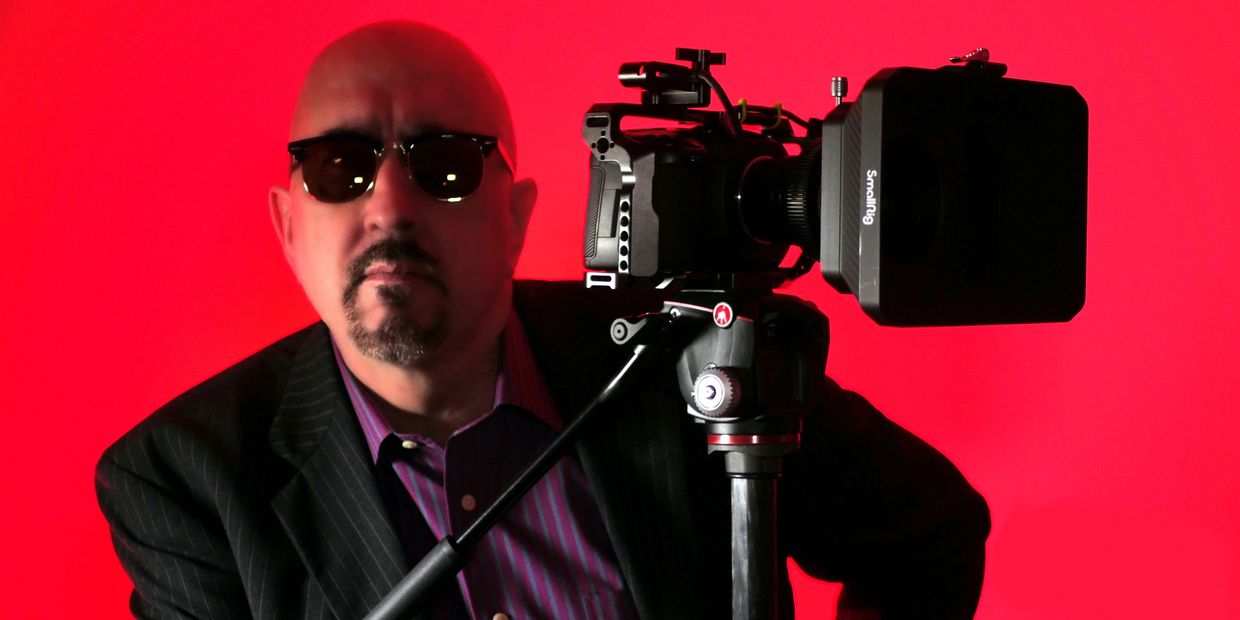
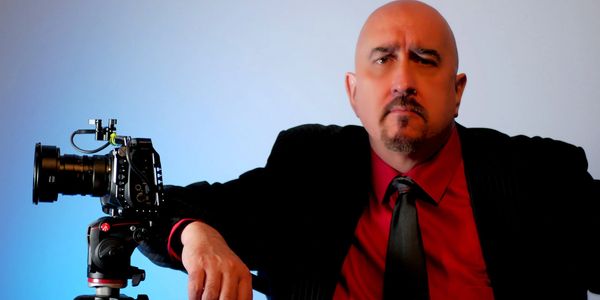
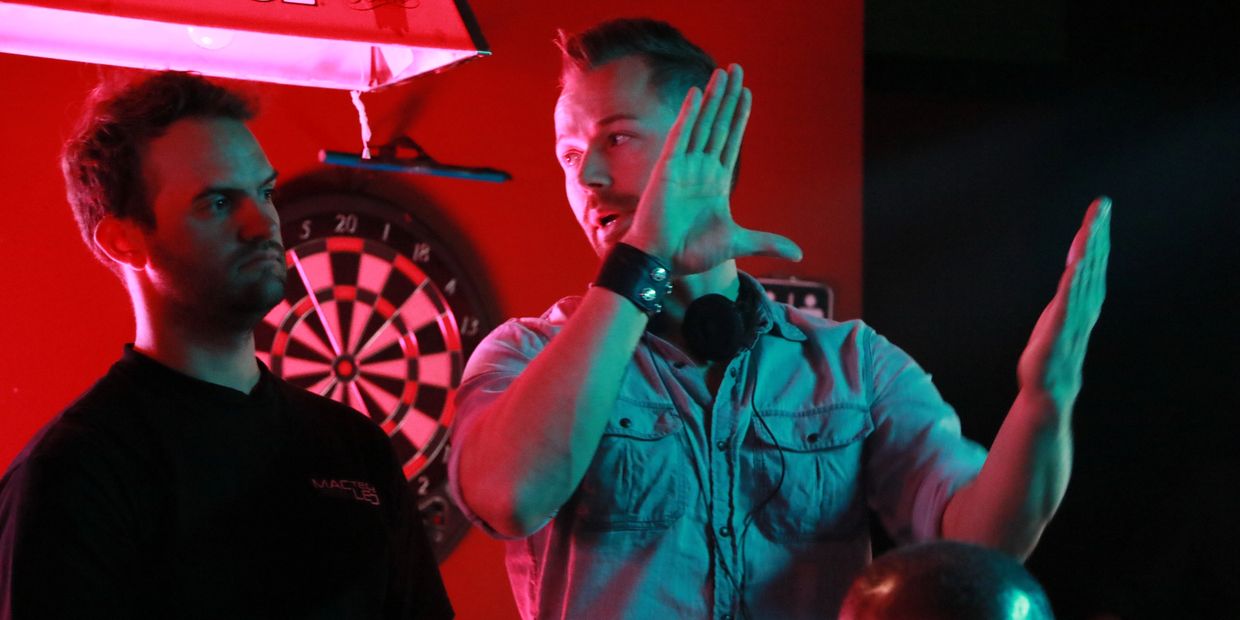
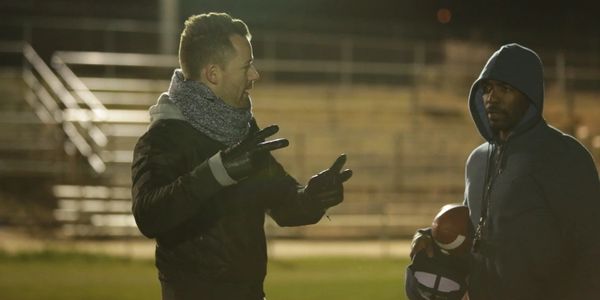
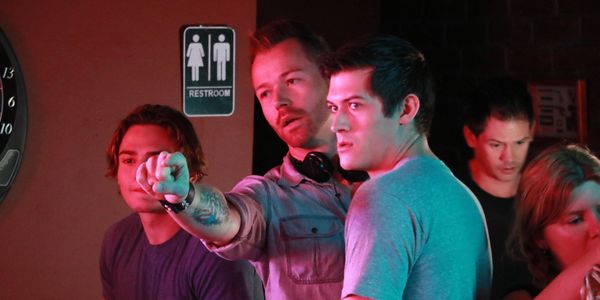
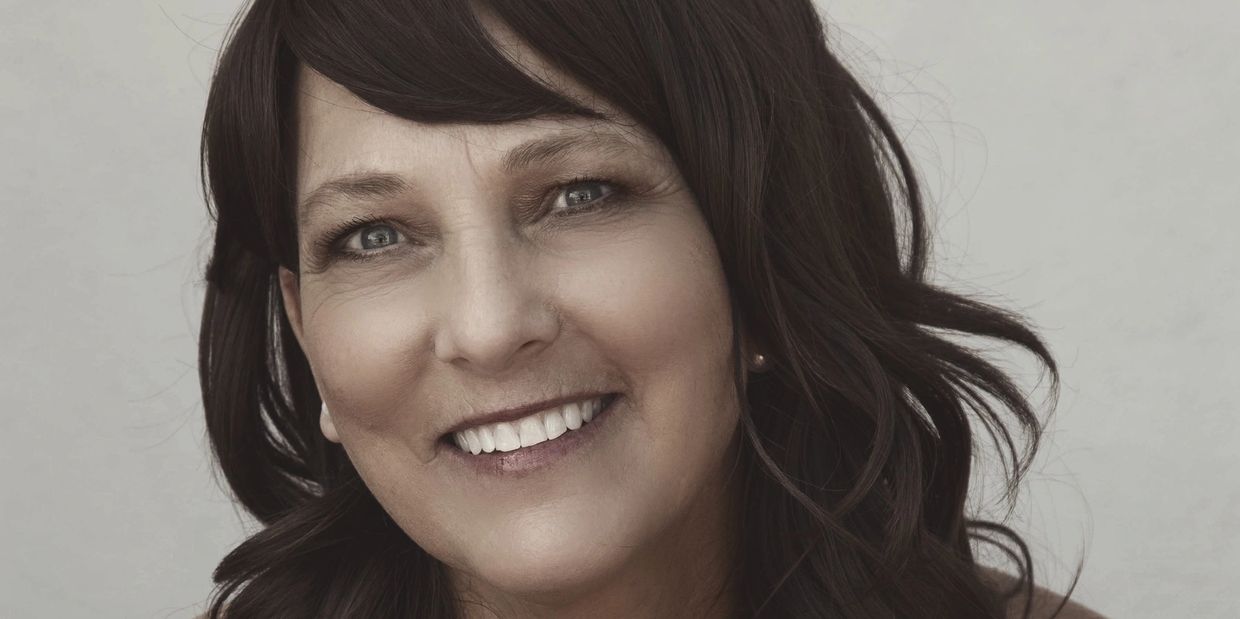
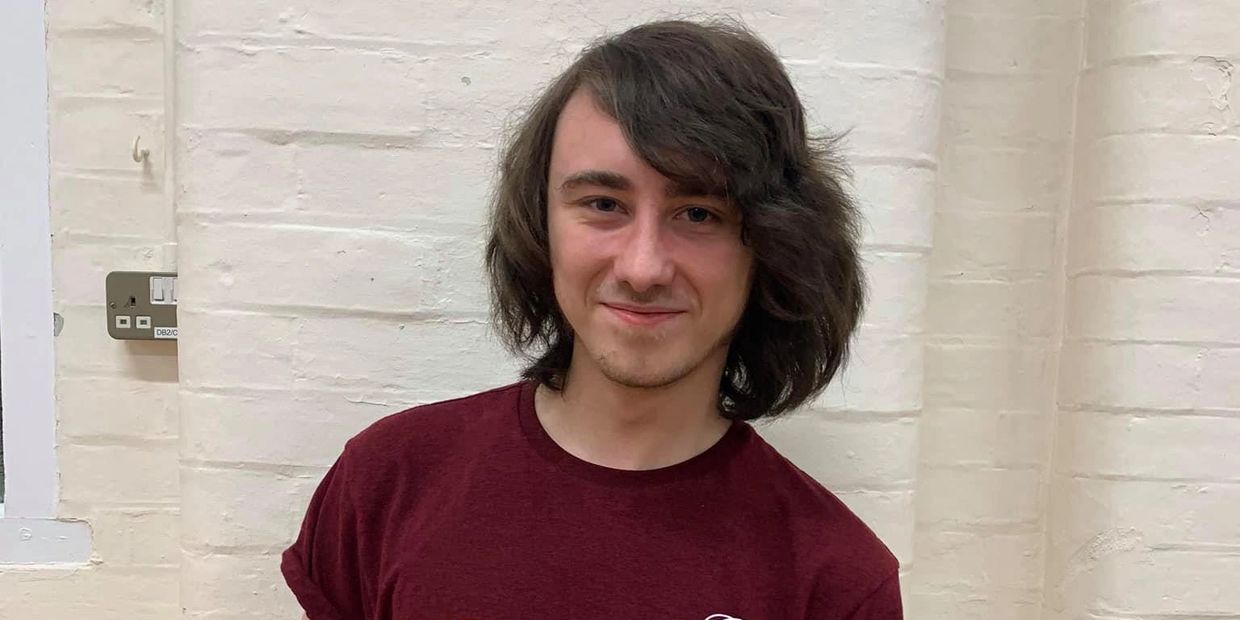
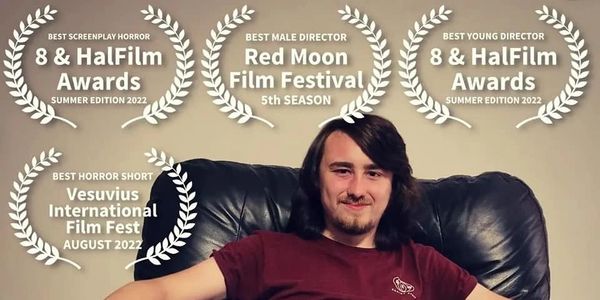
Isaac is an internationally award-winning British filmmaker whose credits include directing ‘The Village’ horror film franchise comprising of three films with a fourth in development; the fantasy drama ‘Poisoned Rebirth’,the comedy shorts ‘Chase the Drunken Moron’ and ‘Charlie Russell: The Story of a Naked Man’ and other micro-budget productions. He is a Film Production graduate of the University of Portsmouth. He has also worked on several live television shows with the streaming platform Ustreme and runs a weekly filmmaking class for young aspiring filmmakers known as Prop Box Filmmakers Academy. All his films can be viewed for free on his website: isaaclawrencefilms.co.uk or YouTube channel: Isaac Lawrence Films.
Do you prefer Comedy or Drama?
That’s dependent on my mood, but I think a bit of comedy can definitely enhance the experience of drama and make the film appeal to a broader audience that otherwise might not have been interested in the film. One of my films: Charlie Russell: The Story of a Naked Man incorporates both – there’s a serious message about self-discovery and confidence, but the comedy helps the film to appeal to a broader audience or else it’d been boring – a miserable man being grumpy for ten minutes until he realises himself and is no longer grumpy. The comedy takes us on a journey with him and helps us all to laugh together in his situation making it much more relatable to more people. That said there are films where comedy simply doesn’t work. There’s a film called ‘The Hunt’ starring Mads Mikkelsen that was all about the reality of being falsely accused of a crime and it was really powerful. So I don’t think I have a preference towards one or the other as such, it’s completely dependent on what I feel like watching at the moment I choose to put a movie on.
Life imitates Art or Art imitates Life?
Both. If I had to choose one, I’d have to say art imitates life more so than the other way around since art could not exist without life. That said, humans borrow so much of their conscious and unconscious behaviour from what we’ve seen on TV and read in books, so these days, I’d have to say it’s 50/50. Film has this incredible power to change human beings, make them appreciate their life, wake them up to social problems and what we take for granted by just watching the rites of passage of a created character – but that character is likely inspired by a real-life person themselves.
Which is the best Moment on set?
There are so many. The best moment for me is kind of an oxymoron because I enjoy shooting so much and never want it to end – but it’s probably when filming’s wrapped, everyone applauds and gives each other a hug – that’s the best feeling, because it’s the most gratifying – everyone’s worked so hard and you really feel that sense of accomplishment and love for those around you, that family you’ve spent a week, a month, a year working with feeling so happy that you’ve accomplished the really difficult task of making a movie you’re all so passionate about with.
Did anyone ever tell you weren't good enough?
Yeah, loads of times and I thank them every day for it. Harsh criticism makes you thick-skinned, which is something you need not just as a filmmaker, but in life in general. Without being thick-skinned, how can you have those difficult conversations with all the people who don’t agree with you or the hateful people in the world today that try to cancel you and ruin your life for saying something they didn’t personally like? You have to power through without letting it get you down. When me and my composer Hayden made a comedy web series about eleven years ago, the ratio of comments was significantly more negative than positive. People told us to give up pretty much on the daily and we never, ever did. Now the movies we work on together are internationally award-winning. Without the harsh critics, I genuinely don’t think I would have had the drive to prove to people what I’m capable of behind a camera. So, I really am thankful for being told day in, day out that I wasn’t good enough, because all it really told me eventually, is that I was.
How can you stay focused on your goal?
When so determined to meet a goal, that becomes the focus of my life until it’s achieved. I believe that if you fail to stay focused on a goal you’ve told yourself you have, then you’re not really that ambitious about it. If you’re not prepared to put in the work to achieve the goal, you don’t really want it. So, passion and determination is what drives me to complete the goal. The Village 3 took about a year to make from writing to release and, for that year, making that movie was my goal.
Have you ever had a breakdown because of your Job?
A breakdown, no, but I have found myself questioning if I’m going in the right direction a few times. The industry can be very competitive and you feel that taking a toll on you as you try to push your way into it. You wonder whether or not it’s everything you thought it was going to be, so I had a bit of an identity crisis when I was in university. Ultimately, I discovered that I was indeed exactly where I belonged in the film industry after I began a teacher training course and dropped out because I realised early on it was absolutely not for me. I lacked the drive I thought I had when I was accepted onto the course - something just did not feel right about it from the very start. And because of my life being consumed by that, I realised what was missing: filmmaking. So, I left and went back to filmmaking and re-discovered my passion; I do not regret that decision at all – sometimes you just need to experience something like that to really be sure of yourself. I still enjoy teaching, I run a weekly filmmaking class for young people called the Prop Box Filmmakers Academy, an off-shoot of Prop Box Youth Theatre through which I directed the first two Village films and I’m forever grateful to Caroline and Sarah and the great students at the class for giving me the opportunity to do so. However, unlike teaching in a school, it’s a very comfortable environment where I can teach my own syllabus and it doesn’t require practically giving up a social life and personal projects to pursue. So, that’s probably the closest I’ve come to a breakdown because of my job.
Talent is a blessing or a curse?
It’s a blessing. It could only be a curse if you use it the wrong way like the many famous people who unfortunately find themselves going down a self-destructive path for various reasons – maybe the wealth and being able to afford dangerous and addictive substances or just the stress of being in the public eye. But no, I think it’s absolutely a blessing being able to release something from your brain and grab other people’s attention because of it – that’s not something everybody can say they’re able to do.
What would you like to improve about yourself as a director/actor/screenplayer?
Sometimes us directors fall into the trap of getting so wrapped up in capturing the perfect shot for a scene that we lose track of time. My shoots have never had the benefit of having loads of time. The first Village was shot in two days, the second in three days and third had four days (although Village 3 was the only one without consecutive shoot days), so there have been times where I’ve spent too long on a particular scene or shot and that means not having as much time to spend on other scenes, so, although most of the time we’re good with the time-keeping I’d rather know for sure we’ve left enough time to get it all done.
As for writing, and I tried to do exactly this with The Village 3 since I felt it was lacking somewhat in the first two films, is create more in-depth characters. The Village 3 had a smaller cast which allowed room for the characters to grow more before we got to the carnage. All the films in the franchise are slasher horrors with elements of drama, but the first two focused a bit more on the splatter violence and less on the drama, but the new one swaps that around, which has been quite positively received. So, I think in future screenplays, I’ll stay focused on character development with smaller casts.
As for acting, I feel I’m more of a writer-director than an actor – I’m really in the new film because we struggled to find the right actor for Officer Redfield and having written probably the most complex character in the franchise, I knew how I wanted him to behave and new it’d be fun, so I took on the role myself, but never really intended to when writing it. I think if I act again, I’ll have to get better at learning my lines, because there was a fair few times during editing, I was getting frustrated with myself because there was a great take and then I’d have to stop to remember my lines halfway through and ruin it.
What's the worst critic you have received?
They say you are your own worst critic. I have a habit of saying that looks awful or something to that effect whenever anything looks slightly off. It doesn’t help that I edit most of my own stuff, so I kick myself when I see something not quite right and I didn’t think to do it a different way on set. Actually, I suppose it does help because I know for next time. Of course, we have plenty of banter on set, none of which any of us take to heart – I think it was Charlie, one of the sound recordists and cinematographers on the set of The Village 3 that told me my policeman’s outfit made me look like a stripper, so if you haven’t watched the film yet or next time you do, try not to think about that. We all laughed our heads off, we have a great time on set, but in all seriousness, I think my worst critics except myself were the aforementioned people that told me and Hayden our web series we made at like eleven to fourteen years old was awful – there really were some scathing remarks that are far too sweary to repeat here, but as I said, I actually look at it in a positive light – not that I particularly encourage it, I think constructive criticism is a much nicer way to give feedback, but those who scream obscenities about your work and tell you to kill yourself will always be around – this is the age of the internet and hiding behind computer screens, you might as well just embrace it.
If you weren't an actor/director/screenplayer what would you like to be?
It’s all I’ve ever wanted to be really, so that’s a particularly tough question. I don’t have any skills in it really, but a record producer or DJ sounds fun. I love a concert, so being able to perform and having my art out there in a different format would be awesome. As a gamer, I often find myself thinking ‘how would I have done this’ when playing, so being a game designer or a play tester would be up my ally too.
If Cinema was a color what would it be?
A rainbow. It’s such a diverse medium that it couldn’t be condensed down to one colour. I guess white since that is the shade we get when lots of colours are mixed together. If red represents horror, purple is romance, etc. the mixture into cinema as a whole would be white.
A day without a movie is...
A day when I’ve been very busy. For me, I never really have a day without a movie even when I haven’t physically watched one since I’m always thinking about movies, both existent and non-existent. I see my life as a movie and occasionally, something in that movie of my life I’ll pick to make a physical movie out of. I never stop looking for inspiration.
If someone offered you to play/direct/write in/a movie that you despise
but that for sure will make you rich and famous...would you accept the job?
If I truly believed the movie was hopeless then no. If I’m not loving the process or what we’re working towards, we’re not doing it right, so something needs to change. However, someone clearly truly believes that this movie can work if it will make us rich and if they were open to compromise and changing the film into something I did like, then I would consider it. If we were to work together to create something that everyone, creators and audience will love from a bad first draft I probably would. I really believe in salvaging things even if the final product bears little to no resemblance to the final product.
What's your greatest ambition?
My greatest ambition is to be the director of at least one widely released theatrical film – a horror film perhaps, but not necessarily. That will be when I know I have officially achieved my dream. Maybe one day someone could come along and help us with funding a feature-length adaptation of The Village franchise...
What's your biggest fear?
My biggest fear is failure. If I fail, I have faltered somewhere along the lines of my set rules to never give up until I achieve the intended goal. That fear is what drives me to always create the best film possible and never give up.
Does music helps you to play/direct, write?
Depends what I’m writing. If it’s horror, I might put on a film or game soundtrack in the background like Akira Yamaoka’s Silent Hill soundtracks. It’s such a diverse sound – some tracks are creepy, others are more emotional. If I’m writing characters, I’ll put on the emotional stuff, if it’s a scary scene, something more tense. If I’m writing a drama, I might listen to silence or if I need emotional inspiration, I might put on a song or album that matches the emotion – I like Lana Del Rey’s music, that’s definitely been on in the background of the writing process a few times. If it’s a comedy, I might put on some silly club music or even just a YouTube video or documentary for some background noise and when I take a ten second break to actually listen to what the TV or music’s saying, I might suddenly find some inspiration right there.
Acting and directing, sometimes – music doesn’t help so much with my directing style, but can create images in my head of what I want when it comes to creating a set, a shot or atmosphere. With acting, sometimes I do discover the emotion I need through listening to a particular song or piece of music, but I tend to take inspiration from other TV shows and films more so than music for acting and directing – writing, music does very often help though.
You have the chance to make a Silent movie, what's your message to the
audience?
I have made a few silent movies in my time – in fact my favourite film I ever made is called ‘Divided’, which is a silent movie. The film’s about an emotionally abusive relationship where we see what’s happening in the real world and then symbolic shots of how the protagonist is feeling. The deeper we get into the subconscious, the more elaborate and disturbing the imagery and sound gets. If I was to make another silent film, I think I’d go in a similar art house direction using non-dialogue symbolism to show how a character’s feeling. My message would be communicating how a character or maybe even real person feels in that moment which I think can often be more powerful that a film grounded in reality. Without saying too much, there’s an art house script I wrote years ago that I’m confident will make it to the screen one day that uses silent sequences to depict modern anxieties that I really want to make – it’s probably my favourite script I’ve ever written.
Share your speech if you should win an Oscar.....
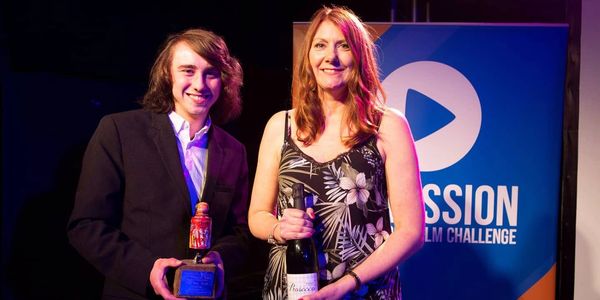
This is not just my Oscar. This is also everyone who’s ever helped me get to where I am today’s Oscar, because I couldn’t have done it without you. Caroline, Sarah and the students of Prop Box without the support of whom, I never would have won my first awards – not loads of people will trust you when you say you want to make a movie with a youth club that involves loads of blood, but my has it paid off? My crew – Charlie Lubbock and Hayden Davey, for putting up with my extremely demanding shooting days and the amount of energy drinks you had to consume to manage it. Anybody who I’ve ever roped into being in one of my films – you cover yourself in mud and blood and do an amazing job all for my dream without any fuss at all – Patch, I hope you’ve managed to get all the stains out of your trousers by now. And of course, my family – this Oscar is for you. Mum and dad, I’ve never doubted your belief in me and your constructive criticism has helped me improve upon every film, no matter how little. Thank you all of you.